|
|
|
|
|
Bon
Bini na e
|
 |
|
|
|
Music | Food | Carnival | History | Landhouses | Transportation | Utilities | Related Links |
Curaçao
is one of the five islands of the Netherlands Antilles in the Caribbean.
It is located 40 miles off the coast of Venezuela, 42 miles east of Aruba,
and 30 miles west of Bonaire. Curaçao is the largest of the five islands and
the government of the Netherlands Antilles is located here.
The island is about 62 km long and 14 km wide (4 km at its narrowest point in
the middle of the island).
About 150.000 people live on the island.
The local language is
Papiamentu (or Papiamento), the
official language is Dutch, and English and Spanish are widely spoken.
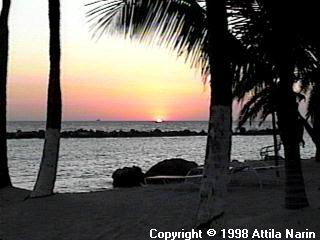
Curaçao is an island with many small
and beautiful beaches surrounded by clear and refreshing water.
On August 23, 1996, Attila
moved to Curaçao and lived there for about two years,
leaving the island on July 18, 1998. Hopefully one day we'll be able
to move back to this paradise.
 |
 |
 |
Climate
The sun shines here most of the time and the average
temperature is 82° F / 27° C. At night it doesn't
get much colder than during the day, and in the winter it
is hardly any colder than in the summer.
The constant trade wind from the west is very
important here since it keeps the island breezy and cool.
Curaçao is fairly dry compared to other Caribbean islands and
it is less tropical here.
Located in the south Caribbean, Curaçao
lies outside the hurricane belt.
However, when storms are passing through the northern Caribbean,
the wind in Curaçao will slow down
and it will be less breezy.
People wear casual beach and summer cloths all year around,
but dress up when going out in the evening,
especially in casinos, some restaurants, and for other events.
In addition to providing shade, a hat, cap, or hair cover
is generally not a bad idea since a fancy hairdo will not go
well with the wind here (providing the hat won't fly away).
Protection from the sun is essential for people not used to
the vertical sun rays in regions closer to the equator.
 |
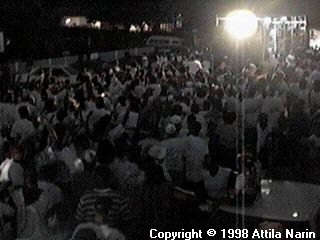
Music is very important on the island. Starting in early days, the slaves here performed the Tambu in which they expressed their criticism and complaints. Today it can still be heard and people typically complain about increased taxes, high water prices, etc. Besides some European traits, the music here is mainly influenced by Latin and Caribbean styles. Popular music is typically a variation of either Merengue or Salsa, while more traditional music is usually a bit slower such as the Montuno or Waltz. The carnival music is Tumba (in contrast to Tambu), and once a year local bands will meet at the Tumba Festival to present their new carnival songs, one of which will be chosen to be the winner.
 |
 |
 |
Transportation
on Curaçao is provided by buses, mini-buses, taxis, and
ferryboats. Mini-buses are especially popular since they are quick
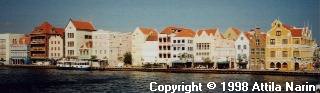
and comfortable. The main bus stops are Punda and Otrabanda, and
just about every spot on the island can be reached from one of
these two centers. Upon request and for a few guilders more, a bus
driver might even drop you off in your neighborhood or in front
of your house.
Taxis are the more expensive option. They do not have meters installed
and the prices are fixed. Many hotels and resorts also have their
own shuttle service.
When the Emma Bridge, the one connecting
Punda and Otrabanda is open, a ferry service free of charge will
bring people from one side to the other.
Renting a car allows for a little more mobility
and major international rental car companies
in addition to some local ones offer their services.
Utilities
Curaçao gets its water from the sea. The world's
largest desalination plant is located here and produces
delicious tap water. In houses there is no hot or cold water,
just the water,
and its temperature depends on how strong the sun is.
Electricity here is a bit of a specialty. The current is officially
127 volts and 50 hertz, but the voltage can fluctuate and sometimes
burn transformers. It's best to use some multi purpose transformers
that are made for this current.
Some appliances such as refrigerators need special transformers. Houses
usually have the above current in addition to 220 volts,
mainly used for air conditioners, washing machines, etc.
Water and electricity may drop out on occasion.
For cooking, every house has gas bottles to operate stove and oven.
baits company my followers instagram catalina island jazz festival specialty printing services wears prada prada tights gucci items gucci solde prada swimwear prada fisherman sandals sneakers prada prada rossa sunglasses new prada shoe run light up prada print chatgpt client prada and gucci cardinal building group prada brasil pin board for wall prada style raptor synthetic underlayment prada doctor bag large cork board prada bowler bags prada shoes sizes prada patent loafer cardinal building supply prada creative director used prada handbags manatee high school focus prada dog carriers prada jackets prada hoodie womens prada femme prada 08ys sunglasses prada lunch box tamagochi family poster prada marfa prada pr17 prada rossa prada leather shoes chatgpt 代理 chatgpt что это bondy blue urchase instagram followers electric mashman helmet carlucci's rosemont red prada loafers prada dallas yacht club commodore hats prada bag black instagram followers download prada shoe price innovative printing solutions neymar instagram followers how do i get aaa travel books prada socks womens boat captain shirt fendi clearance outlet makeup fx light up light up snow patrol bag prada chatgpt on iphone chatgpt alternative reddit prada purse outlet prada paradoxe notes prada loafter factory outlets online shopping prada sunglasses gold prada illusion sunglasses pennsylvania prevailing wage frequently asked questions dolce and gabbana spring summer 2015 yacht club clothing prada sawgrass prada candy sets natasha bedingfield take me away glasses prada women's ugg online sale stores prada rimless sunglasses athenian academy charter school clearwater banana republic premium outlets prada l'homme review prada gabardine sneakers tom holland prada luxury designer outlet rank instagram followers
Curaçao Slideshow -
Slideshow of photos from Curaçao
ABC Islands Compared -
Differences between Aruba, Bonaire, and Curaçao
Papiamentu - Papiamento -
The local language of Aruba, Bonaire, and Curaçao
Copyright © 1996-2004 Attila Narin. All Rights Reserved.